
Is a Portable Urinal Hygienic? Read this before (2026)
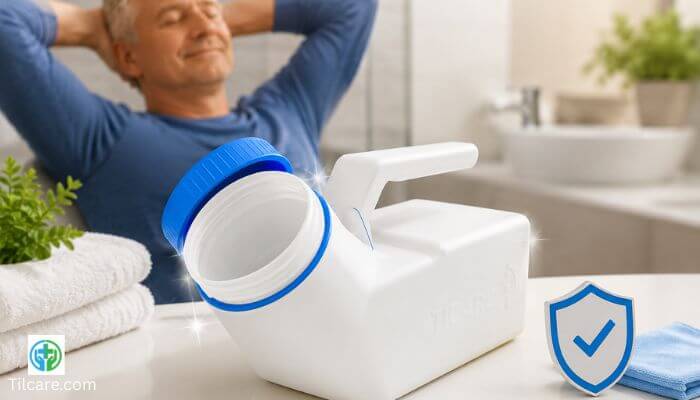
Is a portable urinal hygienic? Yes, but hygiene here depends far more on how it is used and maintained than on the product itself. The bottle does not determine cleanliness. The person using it does. Used by one person, emptied promptly, rinsed after each use, washed regularly, and stored dry a portable urinal presents no hygiene concern for daily use.
Let those habits slip and problems develop quickly. This guide covers exactly what affects hygiene, what to watch for, and how to stay on the right side of that line.
Table of Contents
What makes a portable urinal hygienic or unhygienic?
Here are some points that make sense on how to use a hygienic urinal bottle:
- How quickly it is emptied: Time is the biggest factor. Urine left sitting inside a sealed bottle begins producing ammonia compounds within hours that is where persistent odour originates and where the cleaning effort required starts climbing. A bottle emptied at the first available opportunity after use stays manageable. One left sealed for extended periods becomes progressively harder to bring back to a neutral state.
- Whether it has a secure cap: A cap that seals completely do two things simultaneously it prevents leakage during transport and it contains odour between the point of use and the point of emptying. A loose or poorly fitted cap fails at both. The threading between cap and bottle body needs to be clean and undamaged for the seal to hold reliably over repeated use.
- How easy it is to rinse: Design directly affects how thoroughly a bottle can be cleaned. A wide opening allows water, soap, and a brush to reach every interior surface without restriction. Narrow-neck designs look compact but create a situation where proper cleaning is genuinely difficult residue accumulates in areas the cleaning tool cannot reach, and odour follows.
- Whether the surface holds odour: A smooth, non-porous interior surface rinses clean with minimal effort. A scratched or rough surface caused by abrasive cleaning tools or degraded material traps residue in microscopic irregularities that a standard rinse does not fully clear. The interior condition of the bottle changes over time depending on how it is cleaned.
- How it is stored between uses: Damp and sealed is the combination to avoid. A bottle capped before the interior has dried traps moisture with no airflow — the fastest way to develop the kind of odour that takes real effort to reverse. The cap stays off and the opening stays exposed until the interior is genuinely dry before storage.
Common hygiene concerns with portable urinals
Some common issues that you may observe while on its regular use:
- Odour build-up: Persistent odour is almost always the result of one of three things: leaving the bottle too long before emptying, rinsing without washing, or sealing the cap over a damp interior. None of these are design failures they are habit failures. Address the habit and the odour stops developing.
- Leakage or spills: A leak is not just inconvenient it is a hygiene event that extends beyond the bottle itself. Urine contacting a car interior, bedding, luggage lining, or storage bag creates a secondary cleaning problem that is considerably harder to resolve than a well-maintained bottle. A cap checked and locked after every use eliminates this risk.
- Residue inside the bottle: A quick rinse with water moves surface liquid but does not remove residue that has begun adhering to the interior walls. Over time, rinse-only maintenance allows a layer to build up that contributes to odour and makes subsequent cleaning progressively less effective. A proper wash with mild soap is required regularly not just when smell is already present.
- Shared use: A portable urinal works best as a single-person item. When circumstances require shared use a caregiver situation being the most common thorough cleaning between each user is non-negotiable. Separate bottles per person is the simpler arrangement where that is possible.
How often should you clean a portable urinal?
- After occasional use: Rinse with warm water immediately after emptying and allow to dry fully before storing. Occasional use does not build up residue quickly, but a rinse-and-dry routine after every single use prevents anything from accumulating between uses.
- After daily or bedside use: A full wash with mild soap and warm water every day is the appropriate standard for daily users. Rinsing alone is not sufficient when the bottle is used repeatedly within short intervals. Daily washing keeps the interior surface neutral and prevents the gradual residue build-up that rinsing misses.
- After travel or camping use: Before the bottle goes back into a bag, car, or luggage after a trip clean it thoroughly. Travel conditions often mean delayed cleaning during use. A proper wash before storage prevents whatever accumulated during the trip from sitting sealed in an enclosed space until next time.
- If there is odour: Clean immediately rather than rinsing and hoping. A white vinegar solution left inside for fifteen minutes addresses the source of the smell rather than masking it. Follow with a soap wash, a thorough rinse, and complete drying before the cap goes back on.
For a full step-by-step maintenance routine, refer to the guide on how to clean and maintain a portable urinal.
Are reusable portable urinals less hygienic than disposable ones?
Not automatically, and the assumption that disposable equals more hygienic does not hold up under scrutiny. A disposable urinal bag removes the cleaning variable for single use. That is a genuine advantage in emergency or travel situations where washing is not immediately possible. But a disposable bag stored for months in a hot glove compartment, or one where the gel seal has been compromised, is not a clean product by default.
A reusable bottle maintained consistently is equally hygienic for regular use. The determining factor is practice, not product type. It is used carelessly is less hygienic than a fresh disposable. A reusable bottle maintained properly is as clean as anything single-use. For a full comparison across different situations and use cases, refer to the guide on disposable vs reusable portable urinal.
Hygiene tips for travel, bedside, and emergency use
- For car travel: Store upright, sealed, and in a position where it cannot tip during driving. Empty at the next safe stop do not leave it sealed and full in a warm vehicle for longer than necessary.
- For bedside use: Position within easy reach but away from the edge of bedding where a knock could cause a spill. Empty first thing in the morning rather than leaving it sealed through the day.
- For camping or outdoor use: Carry a small cleaning kit alongside the bottle a travel-size mild soap, a small amount of water in a separate container, and a sealable bag for the urinal during transport. It removes the excuse of not being able to clean properly away from home.
- For elderly care: Prioritise a stable, easy-grip design that reduces spill risk during handling. Clean consistently and on a reliable schedule odour developing near a bed or living space is more disruptive in that context than in any other.
Frequently asked questions
Are portable urinals sanitary?
Yes, portable urinals can be sanitary when emptied, cleaned, and dried properly after use.
Do portable urinals smell?
They can develop odor if urine is left inside too long or if the bottle is not cleaned regularly.
Can a reusable urinal be used every day?
Yes, but daily use requires regular washing and proper drying between uses.
Should a portable urinal be shared?
It is better for a portable urinal to be used by one person. If shared, it should be cleaned thoroughly between users.
How to Clean a Portable Urinal and Maintain It? (2026)

)
)