Nasal Rinse for Allergies: What Actually Helps?
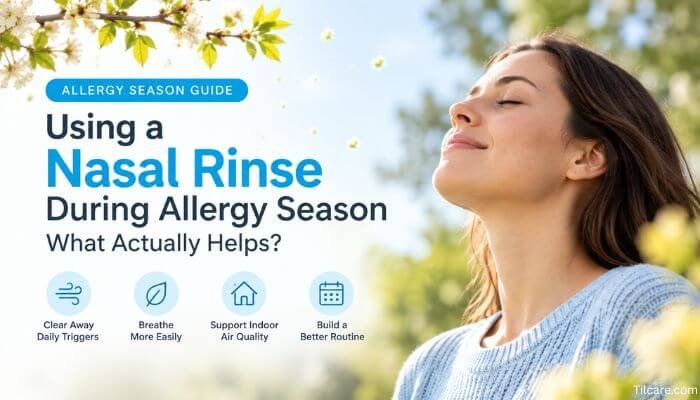
Allergy season brings a familiar cycle for a lot of people: pollen counts climb, indoor air gets stale from closed windows, and suddenly everyday routines need a small adjustment to keep up.
A nasal rinse for allergies is one of those adjustments a lot of people add during high-pollen months, but the timing and technique around it matter more than people usually realize. Rinsing at the wrong time or skipping it during the moments it actually helps most can mean missing out on why people started doing it in the first place.
Quick Overview
A nasal rinse can become a useful part of an allergy-season routine when it is timed around exposure. Rinsing after outdoor activities, before bed, and during high-pollen periods helps make the routine more practical. The right water preparation, consistent habits, and an easy-to-use nasal irrigator all play an important role in maintaining a routine that fits your daily life.
Table of Contents
When to use a nasal rinse for allergies?
A lot of people rinse first thing in the morning out of habit, but allergy season adds another layer to think about. Coming inside after spending time outdoors, whether that’s mowing the lawn, walking the dog, or just running errands, is one of the more useful moments to rinse, since that’s when airborne particles have had the most direct contact.
Evening rinses before bed also tend to matter more during allergy season than the rest of the year, since going to sleep without rinsing means several hours of continued exposure from whatever settled in during the day.
Indoor triggers count too
Allergy season isn’t only an outdoor problem. Indoor air during spring and fall often carries more than usual, especially with windows open or after running errands that involve tracking pollen back into the house. Dust that’s been sitting undisturbed through a season change, along with pet dander that gets stirred up more easily as people spend more time indoors with windows shut, adds to the mix.
A rinse that’s timed around these indoor moments, not just outdoor exposure, tends to make more sense during transitional months when both indoor and outdoor air quality shift at once.
Getting the water right
This part matters regardless of season, but it becomes more relevant when someone is rinsing more frequently during allergy months. Water needs to be distilled, sterile, or previously boiled and cooled before it’s used, since tap water in some areas isn’t treated to a standard that’s safe for this kind of use. The FDA provides specific safety recommendations for preparing water used in nasal rinsing, including the use of distilled, sterile, or properly boiled water.
If you are new to nasal rinsing, understanding the correct preparation steps, water safety rules, and basic technique is essential. Our guide on how to use a sinus rinse kit safely at home covers the complete process in detail. Temperature matters too, since water that’s too cold can be uncomfortable and water that’s too hot can be irritating. Lukewarm, close to body temperature, tends to work best for most people.
Building a realistic routine
Doing a rinse once during a bad allergy day and expecting it to undo hours of exposure isn’t really how this works. A more realistic approach is treating it as part of a daily rhythm during high-pollen stretches, similar to brushing teeth, rather than something reached for only when symptoms are already bothersome. Consistency during the weeks when pollen counts are highest tends to matter more than doing it more aggressively on any single day.
The right device can also influence how easy a routine is to maintain. Some users prefer traditional methods, while others prefer the consistency of powered devices. Our comparison of electric nasal irrigator vs neti pot explains the differences between these approaches.
Adjusting for different allergy triggers
Spring tree pollen, summer grass pollen, and fall ragweed all peak at different points depending on region, so someone’s routine might look different in April than it does in September. Checking local pollen forecasts, which most weather apps now include, can help someone decide which days call for an extra rinse versus a lighter routine. People with pet allergies who don’t have a clear seasonal pattern may find a more consistent, less season-dependent routine works better for them instead.
Choosing the right setup for frequent use
Rinsing daily or close to it during allergy season means the tool being used should hold up to more frequent handling than an occasional-use routine would require. A nasal irrigator with a comfortable grip and an easy-to-fill reservoir tends to hold up better for people rinsing multiple times a day during peak weeks, since anything fiddly to assemble becomes a bigger hassle the more often it’s used.
It’s less about needing something elaborate and more about not adding friction to a routine that already needs to happen consistently to be worth doing.For those comparing different types of devices, our best nasal rinse kit comparison guide explains what features matter most, including pressure control, included saline packets, cleaning, and portability.
Storage between uses
During allergy season specifically, rinsing equipment often gets used more frequently than the rest of the year, which means it also needs to dry out between uses more reliably. Leaving components somewhere with decent airflow rather than sealed in a closed bag or drawer helps avoid the equipment staying damp between the multiple daily uses that allergy season tends to call for.
Bringing it together
A nasal rinse can be a genuinely useful part of managing allergy season, but the value comes from when and how consistently it’s used, not just the fact that it’s part of someone’s routine at all. Paying attention to timing around outdoor exposure, being mindful of indoor triggers, and keeping equipment ready for more frequent use during peak weeks all make a bigger difference than most people expect going in.

Electric Nasal Rinse vs Neti Pot: Best for you in 2026?