Serum Roller – A Derma Roller with Serum Container
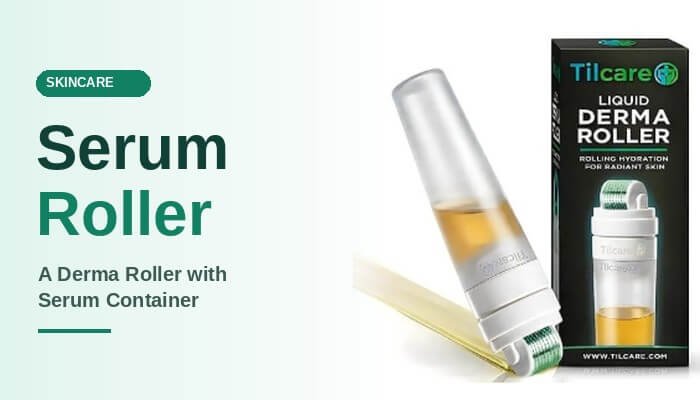
Anyone who’s used a standard derma roller knows the drill: roll first, then reach for a separate serum bottle and apply it afterward, usually with your fingers doing the actual work of getting product into the skin. A serum roller changes that sequence by building a small reservoir directly into the roller handle, so the liquid gets applied as you go rather than as a separate step tacked on at the end.
Table of Contents
How a serum roller actually works?
The mechanism is fairly simple once you see it. Instead of a solid handle, a serum derma roller has a hollow chamber that holds a small amount of liquid, usually filled through a cap or opening at one end. As the roller head moves across the skin, the liquid is released gradually through small openings near the needles, so each pass distributes a bit of product directly at the point of contact rather than sitting on the surface waiting to be worked in separately.
Why the liquid delivery approach is different?
With a standard roller, the rolling step and the product application step are two separate actions, done in sequence but not at the same time. A liquid delivery derma roller combines them into one motion. That doesn’t inherently make the outcome different in a dramatic way, it’s more of a workflow change than a different result. Some people find it more convenient to have one tool handle both steps rather than juggling a roller in one hand and a serum bottle in the other, especially for routines done quickly or without a mirror close by.
What to look for in a serum roller?
Reservoir capacity is worth checking before buying, since a smaller chamber means refilling more often during a single session, while a larger one holds enough for multiple uses before needing a refill. The release mechanism matters too, some rollers dispense liquid more steadily than others depending on how the openings are designed, and a roller that releases too much at once can leave product pooling rather than distributing evenly. It’s also worth considering what kind of liquid you plan to use, since thinner, water-based serums tend to move through a reservoir system more smoothly than thicker, more viscous formulas.
Filling and using a serum roller
Filling the reservoir is usually straightforward: unscrew or open the designated cap, add a small amount of your chosen serum, and close it before use. Start with less than you think you’ll need, since it’s easy to overfill and end up with excess product running down the handle rather than reaching the skin. Roll the same way you would with a standard roller, gentle and even pressure across the treatment area, letting the reservoir do the work of distributing liquid as you go rather than pressing harder to force more product out.
A few things that can go wrong?
Reservoir rollers come with their own small learning curve. Overfilling is the most common issue, leading to leakage around the cap or excess dripping during use. Using a serum that’s too thick for the mechanism can also clog the small release openings over time, so checking what consistency works best with your specific roller is worth doing before committing to a full bottle of any one product.
The reservoir also needs to be emptied and cleaned separately from the roller head, since leftover liquid sitting in the chamber between uses isn’t something you want building up.
Serum roller vs. Standard derma roller
| Feature | Standard Derma Roller | Serum Roller |
| Product application | Separate step, done by hand | Built into the rolling motion |
| Moving parts | Roller head only | Roller head plus a refillable reservoir |
| Cleaning | Roller head only | Roller head and internal reservoir |
| Convenience | Two-step routine | Combines rolling and application |
| Best for | Simple, no-frills routines | Streamlining product application |
Neither is inherently better; it comes down to whether you’d rather keep the steps separate or combine them into one motion. If you’re new to rolling in general, our guide on how to use a derma roller safely at home covers the fundamentals that apply regardless of which type you choose.
Where the tilcare serum roller fits?
For anyone who’d rather not manage a roller and a serum bottle separately, the Tilcare serum derma roller combines both into a single refillable tool, built around the reservoir mechanism described above.
Tilcare Derma Roller ranges
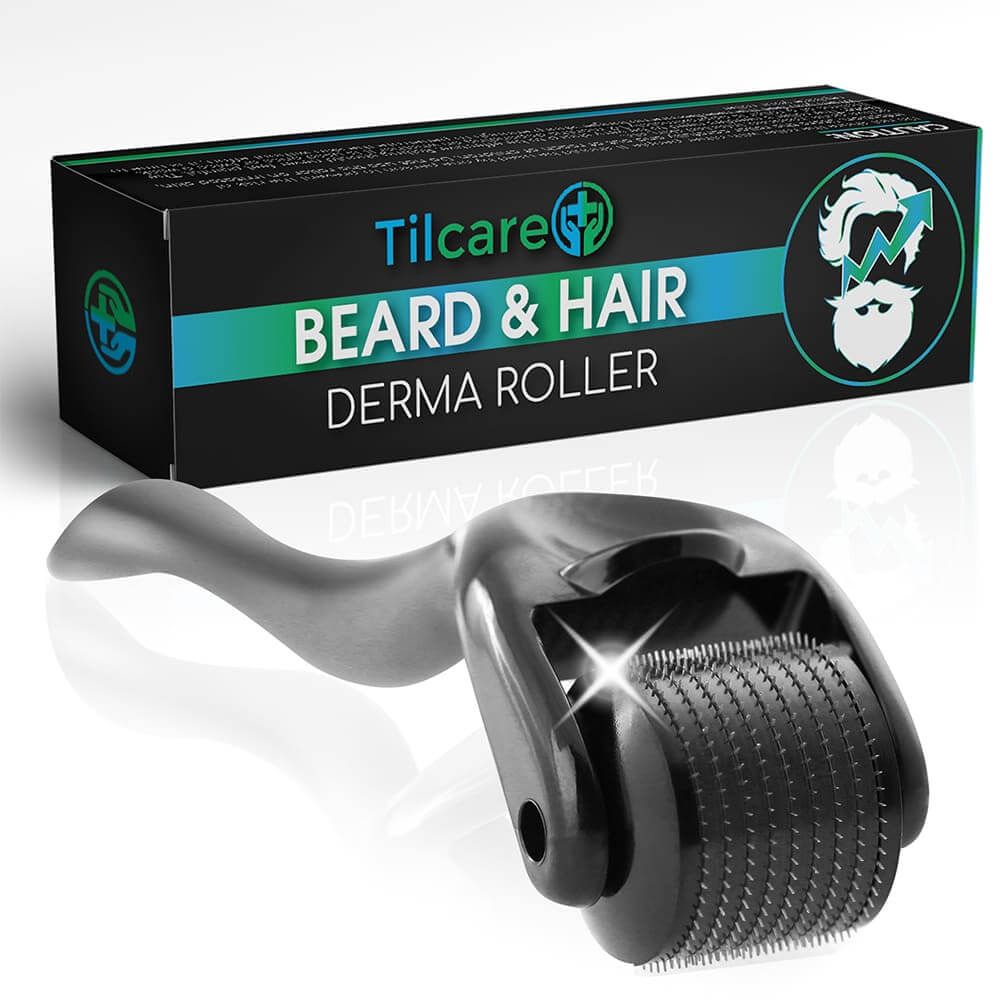
Tilcare Beard & Hair Derma Roller
View Product →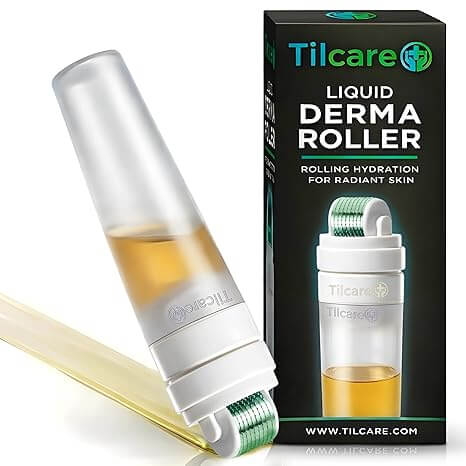
Tilcare Serum Derma Roller
View Product →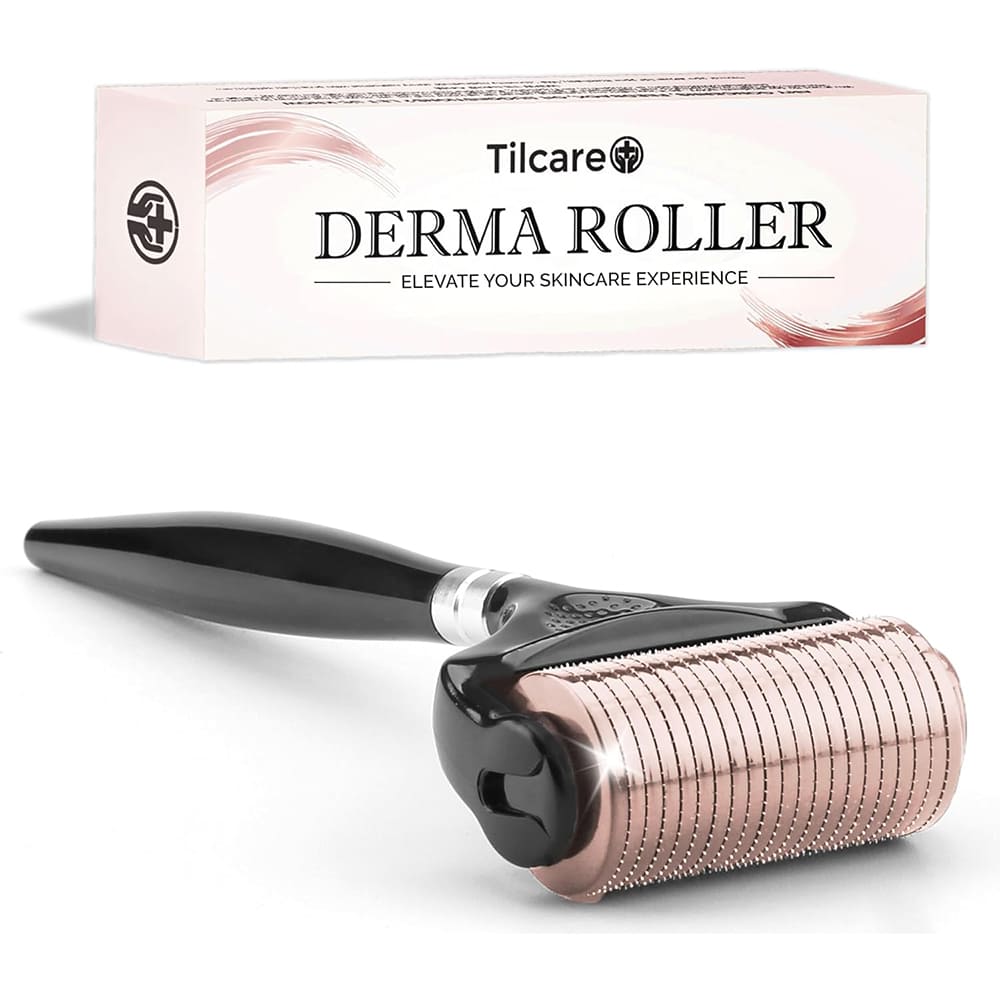
Tilcare Peach Derma Roller
View Product →Frequently asked questions
What is a serum roller?
A derma roller with a built-in reservoir that holds liquid and releases it through the roller head as you use it, combining rolling and product application into one step.
Can I use any serum in a serum roller?
Thinner, water-based formulas tend to move through the reservoir more smoothly than thick or heavily textured products, which can clog the release openings.
Is a serum roller better than a regular derma roller?
Not necessarily better, just different. It’s more about convenience and combining steps than a difference in outcome.
How do I clean a serum roller?
The roller head and the internal reservoir need to be cleaned separately, since leftover liquid in the chamber shouldn’t sit between uses.
Can the reservoir leak?
Overfilling is the most common cause of leaking around the cap, so starting with less liquid than you think you need is the simplest way to avoid it.
According to the FDA’s guidance on microneedling devices, at-home rollers are regulated differently than professional microneedling tools, which is worth keeping in mind regardless of which type of roller you’re using.

Best Derma Roller for Hair Growth & Beard Care (2026)