Best Nasal Rinse Kit: Comparison & Buyer’s Guide 2026
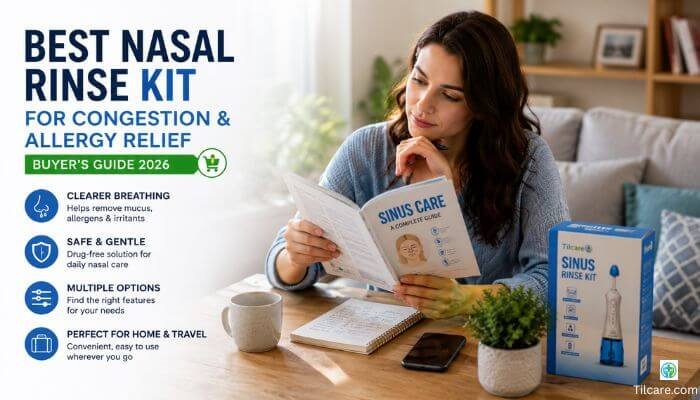
Choosing a nasal rinse kit sounds straightforward until you start looking at what is actually available. Squeeze bottles, electric irrigators, neti pots, saline sprays each one works differently, suits different situations, and comes with trade-offs that are not always obvious from a product listing. This guide cuts through the options and focuses on what actually matters when choosing a kit for daily nasal hygiene, allergy season, or congestion relief at home.
Quick Takeaway
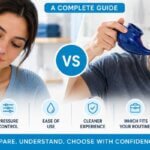
Choosing the best nasal rinse kit depends on your routine. Neti pots work well for occasional users, squeeze bottles offer simple manual control, while electric nasal irrigators provide adjustable pressure and consistent flow for frequent users.
Table of Contents
Why the kit you choose matters more than you might think?
Not every nasal rinse kit delivers the same experience. A basic squeeze bottle and an electric irrigator with adjustable pressure settings produce noticeably different results not because one is doing something the other cannot in theory, but because the control, consistency, and comfort they offer vary significantly in practice. For someone rinsing occasionally after a dusty day outdoors, a simple kit covers the need.
For someone managing seasonal allergies across weeks of daily use, or dealing with stubborn congestion that does not shift easily, the features of the kit start to matter considerably more. Buying the wrong format for the situation leads to an uncomfortable experience that puts most people off the routine entirely which defeats the purpose. For a complete guide on how to use any nasal rinse kit correctly and safely, refer to the guide on how to use a nasal rinse kit safely at home.
What to look for before buying?
- Pressure control: This is the single feature that most separates a comfortable rinse from an unpleasant one. Fixed-pressure kits deliver the same flow regardless of how blocked the nasal passages are or how sensitive the user is on a given day. Adjustable pressure particularly across multiple settings allows the rinse to be dialed down for sensitive days and increased when congestion is more significant. For first-time users, starting at a lower setting and increasing gradually makes the process far more manageable.
- Solution delivery method: Electric irrigators pump solution continuously at a consistent rate. Squeeze bottles deliver flow based on manual pressure. Neti pots rely entirely on gravity and head positioning. Each has a different feel electric is the most consistent, squeeze gives direct manual control, neti pot is the most passive. For daily use, consistency matters more than novelty.
- Included saline packets: A kit that comes with saline packets removes the need to source or measure solution separately from day one. Pre-measured packets designed for nasal use are formulated at the right concentration too weak and the rinse is less effective, too strong and it causes stinging. Kits that include a meaningful supply of packets rather than just two or three trial sachets are worth prioritising.
- Ease of cleaning: A nasal irrigator that is difficult to clean after each use will either not get cleaned properly or not get used. Smooth interiors, wide openings, and detachable components make the difference between a two-minute clean and one that gets skipped. Any device that touches nasal passages needs to be rinsed and dried thoroughly after every session.
- Portability: For anyone who travels regularly or wants to maintain a routine away from home, a rechargeable compact design covers the portability requirement without needing to source batteries or find a power outlet. A kit that fits in a toiletry bag without taking over it is one that actually travels with the user.
Electric nasal irrigator vs manual options
| Feature | Electric Irrigator | Squeeze Bottle | Neti Pot |
| Pressure control | Adjustable settings | Manual hand pressure | Gravity only |
| Consistency of flow | High | Variable | Low |
| Ease of use | High | Medium | Learning curve required |
| Best for | Daily use, congestion, travel | Occasional use | Light maintenance |
| Portability | Rechargeable models | Very high | Moderate |
| Cleaning ease | Moderate | Easy | Easy |
| Included solution | Usually included | Varies | Rarely included |
For regular daily use and anyone dealing with moderate to significant congestion, an electric irrigator with adjustable pressure is the most practical format. For occasional light rinsing, a squeeze bottle covers the need at lower cost. For a full breakdown of how electric irrigators and neti pots compare across different situations, refer to the guide on electric nasal irrigator vs neti pot.
What are the features that separate good kits from basic ones?
- Multiple pressure modes: A kit with only one pressure setting asks the user to adapt to the device rather than the other way around. Soft, normal, and pulse modes give meaningful flexibility soft for sensitive days or first-time use, normal for everyday maintenance, pulse for shifting more stubborn buildup.
- Large enough reservoir: A small reservoir that runs out mid-rinse interrupts the process and requires refilling, which breaks the routine and reduces how thoroughly the rinse covers both sides. A 300ml or larger reservoir handles a full bilateral rinse without interruption.
- Rechargeable rather than battery-powered: A rechargeable device is ready when needed without dependency on battery availability. For daily use, not having to manage batteries removes a friction point that eventually causes the routine to lapse.
- What the complete kit should include: At minimum the irrigator itself, a meaningful supply of pre-measured saline packets (30 or more covers a month of daily use), replacement tips, and a cleaning cloth or towel. Kits that include only the device with a handful of trial packets require an immediate additional purchase before the routine can actually begin.
Best nasal rinse kit for different situations
- Daily nasal hygiene: An electric irrigator with adjustable pressure and a month’s supply of saline packets covers daily use without any sourcing required. Soft or normal mode for routine maintenance, pulse mode for days when congestion is more present.
- Allergy season: Rinsing after outdoor exposure removes pollen and particulates from the nasal passages before they can contribute to prolonged irritation. An electric kit makes this a quick consistent step rather than something that requires significant setup each time. For more on how nasal rinsing fits into an allergy routine, refer to the guide on nasal rinse for allergies.
- Travel: A rechargeable compact irrigator with a carrying case fits the travel requirement. The key is having saline packets already in the kit so nothing needs to be sourced at the destination. For guidance on how frequently rinsing is appropriate during daily use and travel, refer to the guide on how often you should do a nasal rinse.
- First-time users: A complete kit with multiple pressure settings removes the guesswork. Starting on the softest setting and working up gradually over the first few sessions gives the user time to get comfortable with the process before increasing flow.
Where the Tilcare sinus rinse kit fits?
The Tilcare Sinus Rinse Kit is a rechargeable electric nasal irrigator designed for daily home use and travel. It includes three pressure modes soft, normal, and pulse a 300ml reservoir, 30 pre-measured saline salt packets, and a microfiber towel. The rechargeable design means it is ready without battery management, and the compact form factor fits into a toiletry bag without difficulty. For someone building a consistent daily nasal hygiene routine or managing allergy-season congestion at home and on the go, it covers the practical requirements without unnecessary complexity.
It is a complete kit from day one packets, device, and cleaning cloth included which removes the need to source additional supplies before starting. For guidance on keeping the device clean and in good working condition between sessions, refer to the guide on how to clean a nasal irrigator properly.
Frequently asked questions
What is the best type of nasal rinse kit for daily use?
An electric irrigator with adjustable pressure settings and pre-measured saline packets consistent flow, comfortable control, and no measuring required for daily use.
Is an electric nasal irrigator better than a neti pot?
For regular use and moderate congestion, yes, electric irrigators deliver more consistent pressure and flow than gravity-based neti pots, which makes the rinse more thorough and easier to repeat daily.
How many saline packets should a nasal rinse kit include?
A kit covering at least 30 sessions one month of daily use removes the need for an immediate resupply and gives enough time to establish the routine before additional packets are needed.
Do nasal rinse kits work for allergy-related congestion?
Nasal rinsing removes airborne particles including pollen from the nasal passages after exposure many people find it a useful part of managing allergy-season symptoms alongside other approaches.
How to Use Sinus Rinse Kit Safely at Home — Complete Guide 2026