Travelling with Diabetes: Checklist 2026
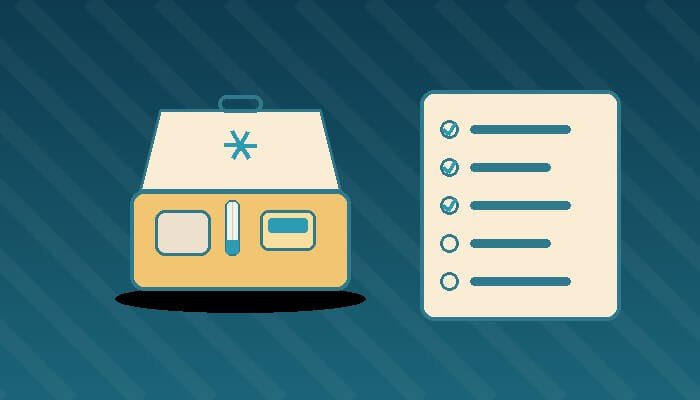
What should be the checklist when you are travelling with diabetes patient? It is part of the equation means thinking through a few extra details most travel checklists skip entirely. None of it is complicated once it’s laid out, but it’s easy to realize something’s missing halfway through a trip rather than before you leave. Below section is a practical rundown of what to have sorted before you head out the door.
Quick Answer
A complete diabetes travel packing checklist should include essential medication, backup supplies, storage solutions, travel documents, snacks, and emergency items. Keeping everything organized in an easily accessible bag helps avoid problems during flights, road trips, and international travel.
From preparing cooling options to planning for unexpected delays, the right packing approach can make travelling much smoother. Continue reading to discover the complete checklist and the items many travellers forget to prepare before leaving.
Table of Contents
Medication and supplies
- Insulin or other diabetes medication, packed with a few extra days’ worth beyond your trip length in case of delays
- Backup pens, vials, or cartridges if your regular supply relies on a single device
- Syringes or pen needles, packed loose and accessible rather than buried in a suitcase
- Testing supplies, including a glucose meter, test strips, and lancets if you use one
- A continuous glucose monitor and backup sensors, if that’s part of your routine
- Alcohol swabs or a similar cleaning supply for injection or testing sites
Storage and temperature control
- A dedicated cooling case, since relying on hotel refrigerators or destination refrigeration isn’t always a safe bet
- Extra cooling elements or a backup charging cable if you’re using an electric cooling option
- A general awareness of your specific insulin’s storage requirements, since these vary by product
Documentation
- A prescription label on your medication or a printed note from your provider, which can speed things up at security or customs, especially for international travel
- A general travel letter outlining your supplies, useful if questions come up at any point during the trip
- Contact information for your provider, in case anything needs clarifying while you’re away
- Insurance details or any relevant coverage information, particularly for international travel
Food and snacks
- Snacks that travel well and don’t require refrigeration, useful for delays, long transit days, or unpredictable meal timing
- A general sense of your meal schedule for the day, since travel often shifts normal timing around
Backup and emergency items
- A small emergency kit with anything you’d need if your main supplies were delayed or lost
- A note of nearby pharmacies at your destination, in case something needs replacing while you’re there
- A charged phone with your provider’s contact information saved and accessible
Comfort and mobility
- Comfortable footwear, since travel days often involve more walking or standing than usual
- Any mobility aids or accessories you rely on regularly, packed where they’re easy to reach
Packing it all together
Rather than scattering supplies across different bags, keeping everything related to diabetes management in one organized spot makes it easier to find what you need quickly, whether that’s at a security checkpoint, during a flight, or mid-road-trip. A dedicated insulin cooler travel case can help keep medication and related supplies together in one place rather than spread across a suitcase, and for longer trips or situations where consistent cooling matters more, an electric option adds more active temperature control without depending on ice packs holding up for an entire day.
A few extra considerations by trip type
- Air travel calls for keeping supplies in carry-on luggage rather than checked bags, since checked holds can reach temperature extremes and carry the added risk of delayed baggage.
- Road trips mean planning around a car’s interior temperature, which can swing significantly depending on the season and how long the vehicle sits in the sun.
- International travel adds documentation and destination-specific considerations, like checking pharmacy access and understanding local guidelines around carrying medication and supplies.
Frequently asked questions
What’s the most important thing to pack when travelling with diabetes?
Enough medication and supplies to cover your trip length plus a few extra days, kept in your carry-on or immediate reach rather than checked luggage.
Do I need documentation to travel with diabetes supplies?
It’s not always required, but having a prescription label or provider’s note on hand can make things easier at security or customs.
How should I store insulin while travelling?
A dedicated cooling case works better than relying on hotel refrigerators or destination access, since availability isn’t guaranteed.
Should I pack backup supplies?
Yes, having backup pens, testing supplies, or cooling elements accounts for delays or unexpected situations during the trip.
What should I do if my supplies run low while travelling?
Knowing the location of nearby pharmacies at your destination ahead of time makes it easier to resolve this quickly if it comes up.
For more detail on any specific part of this checklist, our pillar guide on how to keep insulin cool while travelling covers cooling and storage in full, and our piece on how to travel with insulin on a plane breaks down air travel specifics. The FDA’s guidance on medication storage during travel is also a useful general reference.

How to Travel with Insulin on a Plane? Guide, 2026