
How to Keep Insulin Cool While Traveling? Travel Guide 2026
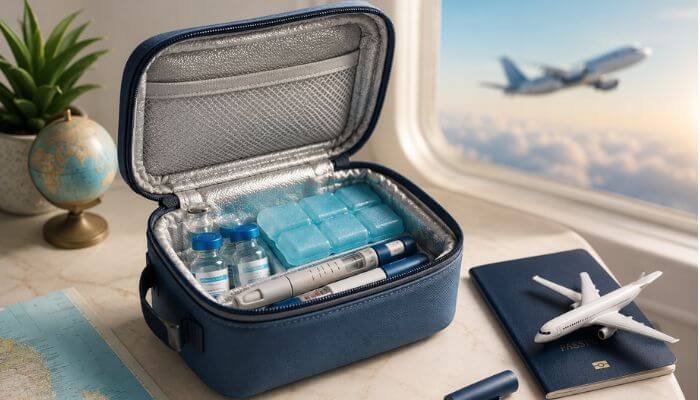
Traveling with insulin means thinking about something most packing lists don’t cover: keeping a temperature-sensitive supply stable when you’re away from your usual fridge. Airports, long car rides, unfamiliar hotel rooms, and outdoor trips all remove the one thing you rely on at home without a second thought. None of this needs to be complicated, but it does need a plan worked out before you leave rather than figured out on the road.
Quick Overview
The best way to keep insulin cool while traveling is to plan your cooling method before leaving home. Insulin travel cases, cooling packs, and portable coolers each offer different advantages depending on your trip length, destination, and access to refrigeration. This guide explains the available options, compares different cooling methods, and shares practical tips for flights, road trips, and outdoor travel.
Table of Contents
Why keeping insulin cool while traveling matters?
Storage requirements vary depending on the specific product, so the starting point is always checking the instructions that came with your insulin rather than assuming one rule applies across the board. What makes travel different is that the situations where temperature control gets tricky tend to stack up. A long flight means hours without any cooling source unless you’ve brought one.
A road trip means a car interior that can swing in temperature depending on the season. A hotel stay means hoping the room has a working refrigerator, which isn’t always the case. Outdoor trips remove refrigeration access almost entirely. None of these situations are unusual; they’re just the reality of being away from home, which is exactly why a plan matters more here than it does in a normal week.
Common ways people keep insulin cool while traveling?
There are a handful of approaches people typically rely on, each with its own strengths.
- Insulated insulin travel cases are built specifically for this purpose. They’re portable, reusable, and usually organized with medication in mind rather than general cooling.
- Cooling packs are a common add-on, reusable and easy to pack, though they need to be prepped ahead of time and used according to whatever guidance came with your insulin regarding direct contact.
- Regular cool bags work in a pinch since they’re easy to find almost anywhere. Still, they weren’t designed with medication storage in mind, so organization tends to be more general and less dedicated.
- Hotel refrigerators are convenient when they’re available, but availability isn’t guaranteed, so this option works better as a backup than a primary plan.
Insulin cooling options comparison
| Option | Advantages | Limitations | Best For |
| Insulin Travel Case | Purpose-built, portable, organized | Requires choosing the right model | Frequent travelers |
| Regular Cooler Bag | Widely available, multipurpose | Not specialized for medication | Short trips |
| Cooling Packs | Reusable, lightweight | Needs prep time before travel | Additional cooling support |
| Hotel Refrigerator | Convenient when available | Not always reliable | Longer stays |
| Portable Electric Cooler | Adjustable temperature control | Bulkier, less convenient | Extended travel |
Choose the Right Tilcare Insulin Cooler for Your Trip
Select the option that best fits your travel routine.
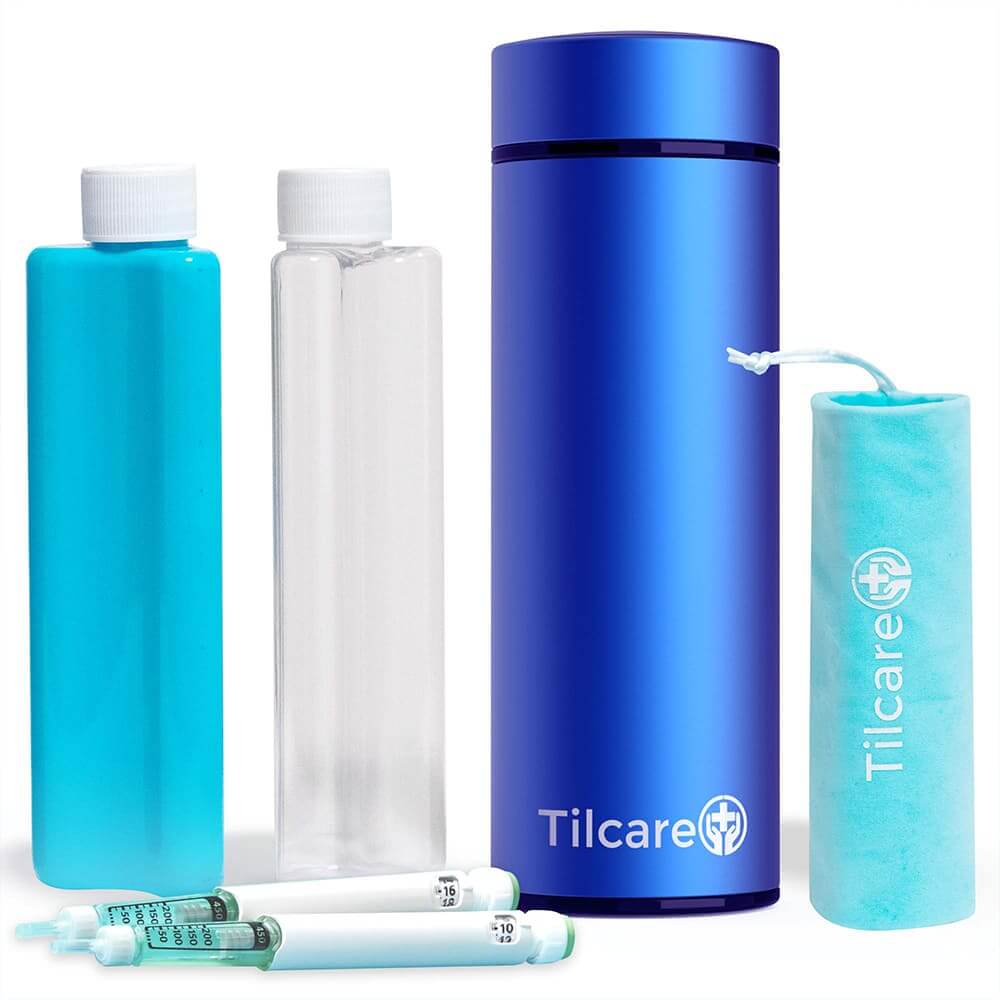
Tilcare Insulin Cooler Travel Case
A compact insulin travel solution designed for keeping your supplies organized during daily trips, vacations, and outdoor travel.
- Portable travel-friendly design
- Organized storage for insulin supplies
- Reusable cooling setup

Tilcare Electric Insulin Cooler Travel Case
A powered cooling option designed for travellers who need a more advanced setup while away from standard refrigeration.
- Electric cooling system
- Rechargeable travel design
- Suitable for extended journeys
How to prepare insulin before a trip?
- Check your requirements first. Every product has its own storage instructions, so that’s the starting point before anything else gets packed.
- Plan your cooling method around the trip itself. How long you’ll be traveling, what the destination climate looks like, whether refrigeration will be accessible, and how you’re getting there all shape which option makes the most sense.
- Pack backups. Extra supplies, relevant paperwork, and a general sense of organization go a long way toward not scrambling mid-trip if something doesn’t go to plan.
How to keep insulin Cool while traveling?
Air travel
Carrying insulin and related supplies in hand luggage rather than checked bags is the standard approach most travelers take, partly because checked luggage holds can reach temperature extremes that are hard to predict. Relying solely on refrigeration at your destination isn’t a great backup plan either, since availability can’t always be confirmed in advance.
Road trips
Car interiors change temperature fast, especially with direct sun through the windows, so insulin shouldn’t be left sitting in a hot glovebox or trunk for extended stretches. Keeping supplies in an organized, accessible spot rather than buried in luggage also makes it easier to grab what you need at rest stops. Planning stops around cooling needs, not just fuel and food, tends to make road trips go more smoothly.
Outdoor travel and camping
Refrigeration access is limited or non-existent in most outdoor settings, which makes preparation matter even more than it does for a hotel-based trip. Weather adds another variable, since heat and direct sun exposure can affect supplies faster outdoors than they would in a climate-controlled space. Planning cooling methods around the specific environment, rather than a generic approach, tends to work better here.
Insulin cooler travel case vs. Regular bag: what’s the difference
| Feature | Insulin Cooler Travel Case | Regular Cool Bag |
| Designed for insulin | Yes | Usually no |
| Organization | Dedicated compartments | General storage |
| Portability | Built for travel | Varies by design |
| Temperature management | Purpose-built | General insulation |
| Best use | Medication travel | General cooling needs |
The short version is that a dedicated case is built around medication specifically, while a regular bag is built for general use and happens to work as a substitute.
How long can insulin stay without refrigeration?
This varies by product, so there isn’t one universal number that applies across every type of insulin. The safest approach is checking the manufacturer’s specific instructions for your product rather than relying on a general rule you’ve heard elsewhere. The FDA’s guidance on insulin storage covers the temperature ranges manufacturers recommend, and it’s worth reviewing alongside your own product’s instructions.
Choosing the right insulin travel cooler
- Size and capacity should match what you’re actually carrying, enough room for your supplies without unnecessary bulk.
- Cooling method varies between passive insulation and active cooling options, and the right choice usually comes down to trip length and climate.
- Portability matters differently depending on how you’re traveling — a case that works well for air travel isn’t necessarily the most practical for daily carrying.
- Durability is worth considering too, since a case that holds up to regular handling and is easy to clean will last longer than one that isn’t built for repeated use.
- Organization with separate compartments makes it easier to keep supplies sorted and quickly accessible when you need them.
Where a dedicated travel case fits in?
For travelers who’d rather not rely on general-purpose cooling, a dedicated insulin cooler simplifies things by keeping supplies organized in one portable setup built specifically for carrying insulin on the move. Tilcare makes this in two versions: a manual insulin cooler travel case that relies on passive insulation, and an electric insulin cooler travel case for travelers who want active temperature control instead of pre-chilled packs. Which one fits depends on trip length, climate, and how hands-on you want the cooling process to be.
Frequently asked questions
Can I travel with insulin without a refrigerator?
Yes, with the right insulated case or cooling method, though checking your specific product’s storage instructions first is still the right starting point.
What is the best way to carry insulin on a flight?
Most people carry it in hand luggage rather than checked bags checked holds aren’t a reliable environment for temperature-sensitive medication.
Should insulin be packed in checked luggage?
Generally not recommended, hand luggage offers more control over temperature and handling.
Is an insulin cooler bag better than a normal cooler?
It depends on your needs, a dedicated case offers purpose-built organization, while a regular cooler works fine for shorter or less frequent trips.
How do I prepare insulin for a long trip?
Check your product’s specific storage requirements, plan a cooling method suited to your destination and transportation, and pack backup supplies in case plans change.

How to Clean a Nasal Irrigator? Neti Pot & Rinse Device Guide