
How to Use a Derma Roller Safely at Home? Guide 2026
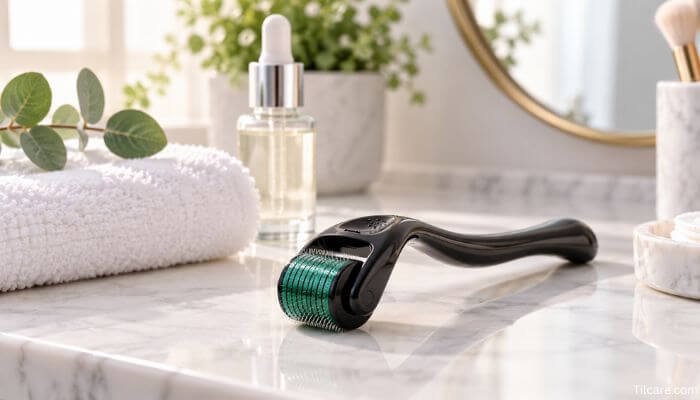
Derma rollers have become a regular part of a lot of people’s skincare and grooming routines, but how to use a derma roller safely at home? Using one well takes more than just rolling it across your skin a few times and calling it done. Between needle sizes, skin prep, technique, and aftercare, there’s a fair amount that actually affects how the tool works for you. This guide walks through the basics so you’re starting with a solid foundation, whatever your specific goal happens to be.
Quick Travel Packing Checklist
- Pack enough medication and supplies for your trip, plus extra in case of delays.
- Keep insulin and important supplies in your carry-on instead of checked luggage.
- Carry a suitable cooling solution based on your travel duration and destination.
- Keep travel documents, prescriptions, and important contacts easily accessible.
- Prepare backup supplies for unexpected situations during your journey.
- Organize everything in one dedicated bag for quick and easy access.
What is a derma roller?
A derma roller is a handheld tool with a cylindrical head covered in small needles, designed to be rolled gently across the skin. The needles create tiny surface-level contact points, which is the general mechanism behind why people use these tools as part of a skincare or grooming routine. It’s worth knowing upfront that at-home rollers are built differently than the professional-grade microneedling devices used in dermatology offices.
According to the FDA, devices with longer or sharper needles that penetrate deeper into the skin are regulated as medical devices and are intended for use by trained professionals, not for over-the-counter home use. Rollers sold for personal use typically fall outside that category, which is part of why understanding what you’re actually using, and using it correctly, matters.
Why needle size and roller type matter?
Not every derma roller is built for the same purpose. Some are designed with facial and grooming use in mind, others are formulated around product absorption, and some are built for broader body use. Needle length varies across these tools as well, and shorter needles generally call for more frequent, gentler use, while longer needles are typically used less often.
Matching the roller to your intended use, rather than assuming any roller works the same as another, is one of the more overlooked parts of getting good results from the routine.
| Derma Roller | Needle Setup | Suitable Areas | Main Difference |
| Tilcare Beard & Hair Derma Roller | 0.25 mm titanium | Beard, scalp, skin | Compact everyday design |
| Tilcare Serum Derma Roller | 0.25 mm stainless steel, 540 needles | Face, beard, scalp | Built-in refillable serum reservoir |
| Tilcare Peach Derma Roller | 0.25 mm titanium | Beard, scalp, skin | Ultra-wide roller head |
| Tilcare Beard & Hair Ultra Derma Roller | 0.25 mm stainless steel | Beard, scalp, skin | Ergonomic handle and storage case |
Preparing your skin before rolling
Start with clean skin. Washing your face or the treatment area beforehand removes surface oil, makeup, or product residue that could interfere with the roller or introduce bacteria into freshly exposed skin.
Pat the area dry rather than rubbing it, and avoid applying any active ingredients like retinoids or exfoliating acids right before rolling, since combining those with fresh microneedling can be more irritating than either alone. If you’re new to rolling, doing a patch test on a small area first is a reasonable way to see how your skin responds before committing to a full session.
How to use a derma roller step by step?
Once your skin is prepped, roll the device gently across the treatment area in a few directions, vertical, horizontal, and diagonal, using light, even pressure rather than pressing down hard. The goal is consistent, gentle contact, not force. Cover one section at a time rather than rushing across the whole area at once, and avoid going over the same spot repeatedly in a single session.
When you’re done, rinse the area with cool water to remove any residue, and apply a gentle, fragrance-free product afterward rather than something with strong actives, since skin is more sensitive immediately after rolling.
Aftercare that actually matters
What you do after rolling matters as much as the technique itself. Skin is more receptive right after a session, which also means it’s more prone to irritation from harsh products. Stick to something simple and calming for the rest of the day, and hold off on makeup, sun exposure, or strong actives like retinol or vitamin C serums until the next day if possible. Sunscreen becomes especially important in the days following a session, since freshly treated skin can be more reactive to UV exposure than usual.
Common mistakes to avoid
A few habits come up more often than they should. Pressing down too hard, assuming more pressure means better results, is one of the most common. Rolling too frequently without giving skin time to recover is another, along with skipping the cleaning step between uses, which can introduce bacteria to an area that’s just been exposed.
Using a roller on broken, sunburned, or actively irritated skin is also worth avoiding, since it adds unnecessary stress to skin that’s already compromised. Sharing a roller between people isn’t recommended either, for straightforward hygiene reasons.
Cleaning and storing your roller
Rinse the roller with warm water immediately after each use to remove any residue before it has a chance to dry into the needles. Many people also use isopropyl alcohol as a simple disinfecting step, letting the roller air dry completely before putting it away.
Store it in a clean, dry case rather than leaving it exposed on a bathroom counter, where it’s more likely to pick up dust or moisture between uses.
Choosing the right derma roller for your goals
Different rollers are built around different routines, so it’s worth matching the tool to what you’re actually trying to do. For grooming-focused use, a beard and hair derma roller is designed around facial hair and scalp areas specifically. If your routine centers more on skincare products and getting the most out of serums, a serum derma roller is built with that kind of use in mind.
For broader body use beyond the face, a peach derma roller is designed for those areas specifically. None of these is a one-size-fits-all solution, so picking based on your actual routine tends to work out better than defaulting to whichever one you come across first.
Frequently asked questions
How often should I use a derma roller?
This depends heavily on needle size and the specific roller, so following the guidance that comes with your specific device is the most reliable approach rather than a general rule.
Does it hurt to use a derma roller?
Most people describe it as a mild sensation rather than pain, though sensitivity varies by person and by area of the body.
Can I use a derma roller with other skincare products?
It’s generally best to apply gentle, simple products immediately after rolling and save stronger actives for a later point, since fresh skin is more reactive right after a session.
How do I clean a derma roller?
Rinse it after every use, disinfect with isopropyl alcohol, and let it air dry fully before storing it in a clean case.
When should I avoid using a derma roller?
Skip it on broken, sunburned, or actively irritated skin, and hold off if you’re using strong topical treatments that might not pair well with fresh microneedling.
For more on choosing between roller types, our upcoming buyer’s guide to beard and hair derma rollers and body derma roller guide go deeper into each category specifically. The FDA’s consumer guidance on microneedling devices is also a useful reference for understanding how these tools are regulated and what general safety considerations apply.

Travelling with Diabetes: Checklist 2026