
Best Insulin Cooler Travel Case? Buyer’s Guide 2026

Shopping for an insulin cooler travel case can get confusing fast, since a lot of the options look nearly identical at a glance. The right pick really comes down to how you travel, how long your trips usually run, how much you need to carry, and how much hands-on effort you’re willing to put into managing it. This guide focuses on the features that actually matter rather than just listing products, so you can figure out what fits your situation instead of guessing.
Quick Answer
The best insulin cooler travel case depends on how you travel, how long your trips are, and how much storage space you need. A good travel case should offer practical portability, organized storage, a suitable cooling method, and enough capacity for your supplies. Compact insulated cases work well for everyday travel, while larger or electric options may suit longer journeys where additional cooling support is needed.
But choosing the right case involves more than just size — the cooling method, travel style, durability, and daily convenience can make a big difference. Keep reading to find out which features actually matter before buying.
What makes a good insulin cooler travel case?
- Cooling reliability comes down to matching the cooling approach to your trip. A case that relies on cooling elements needs those elements prepped ahead of time, while a powered option needs charging planned into your routine. Either way, following the storage instructions specific to your insulin still matters more than the case itself.
- Size and capacity should reflect what you’re actually carrying. Someone bringing just a pen and a few supplies doesn’t need the same case as someone packing for a two-week trip. Oversized cases add bulk without adding much practical benefit.
- Portability changes depending on how you’re travelling. A case that’s easy to slip into a daypack for daily use isn’t necessarily the same one you’d want for a week-long road trip. A bulky case might offer more room, but it’s less practical if you’re also managing a carry-on and personal item through an airport.
- Organization matters more than people expect going in. Dedicated compartments keep supplies from shifting around or getting buried under everything else, which makes a real difference when you need quick access.
- Durability is worth checking too, since a case that’s opened and closed constantly needs to hold up to that kind of daily handling without the zipper or seams giving out early.
Types of insulin cooler travel cases explained
| Type | How It Works | Advantages | Limitations | Best For |
| Passive Insulin Cooler Case | Uses insulation and cooling elements | Portable, simple, no power required | Requires prep before each use | Everyday travel |
| Electric Insulin Cooler Case | Uses a powered cooling system | More active, adjustable cooling control | Larger, needs charging | Longer trips |
| Regular Cooler Bag | General insulated storage | Easy to find, multipurpose | Not built for insulin-specific organization | Short trips |
Which one makes sense really depends on your travel style. Someone commuting daily or taking short weekend trips often does fine with a passive case, while someone on longer trips without reliable access to refrigeration might prefer the added control an electric option offers.
Insulin cooler travel case vs. Regular cooler bag
| Feature | Insulin Cooler Travel Case | Regular Cooler Bag |
| Designed specifically for insulin supplies | Yes | No |
| Organization | Dedicated compartments | General storage |
| Portability | Built for travel and daily carrying | Varies by size and design |
| Travel convenience | Streamlined for medication | Not specialized |
| Storage layout | Purpose-built sections | Open, general space |
| Best use case | Medication travel | General cooling needs |
A regular cooler bag can technically hold insulin, but it wasn’t built around that purpose the way a dedicated case is.
Features worth paying attention to before buying
- Cooling method is the first real fork in the road. Passive cases rely on insulation and cooling elements you prep ahead of time, while active or electric options manage temperature on their own once charged, though neither approach is universally better, it depends on the trip.
- Rechargeability and power become relevant if you’re leaning toward an electric option. That means factoring in battery life, how often you’ll need to charge it, and whether that fits comfortably into how you travel.
- Travel size matters for anyone flying, since carry-on compatibility and how much space the case takes up in a bag can shape which model actually works for your routine.
- Ease of carrying comes down to smaller details, handles, overall weight, and whether the case is compact enough to not feel like an extra piece of luggage on its own.
Best insulin cooler travel case for different situations?
- Daily carrying tends to favor something compact and lightweight, with quick access built in so you’re not digging through a bag every time you need it.
- Flights call for a design that fits easily into carry-on luggage and doesn’t depend on refrigeration once you land. Our guide on how to travel with insulin on a plane covers the logistics side of this in more detail.
- Road trips benefit from a case that can handle longer stretches without a refuel and stays easy to reach during stops. For more on this specifically, check out how to pack insulin for a road trip.
- Extended travel usually calls for more capacity and a bit more planning upfront, which is often where an electric option starts to make more sense than a passive one, since it offers more consistent cooling over a longer stretch without needing to swap out elements.
How to maintain an insulin cooler travel case?
Keeping a case in good shape over time doesn’t take much. Let components dry out after each use rather than packing them away damp. Keep the interior wiped down and free of residue between trips. If your case uses cooling elements, check them periodically to make sure they’re still functioning the way they should. Store the case somewhere clean and dry between trips rather than leaving it packed away in a bag, and give it a quick check for wear, like fraying seams or a zipper that’s starting to stick, before you rely on it for your next trip.
Where Tilcare fits in?
Tilcare offers two different approaches depending on how you prefer to travel. The Insulin Cooler Travel Case is a passive, insulated option built for straightforward portability, organized compartments, and everyday or short-trip use without any charging involved. For travelers who want more active temperature control, especially on longer trips, the Electric Insulin Cooler Travel Case offers a powered cooling system designed for extended travel where consistent, hands-off cooling matters more. Which one fits better really comes down to trip length and how much involvement you want in managing the cooling process yourself.
Choose the Right Tilcare Cooler for Your Needs
Pick the option that best fits your storage and travel requirements.
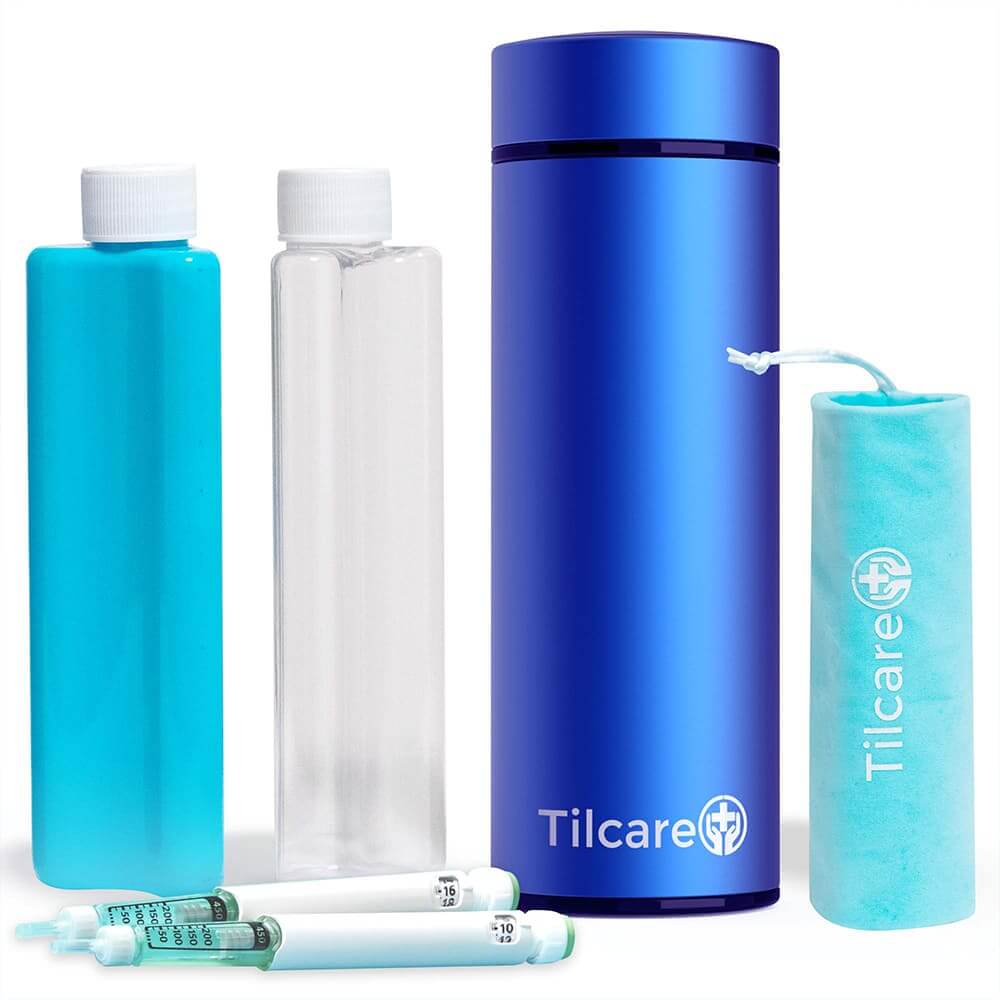
Tilcare Insulin Cooler Travel Case
A compact travel case designed to help organize insulin supplies during daily travel, vacations, and outdoor trips.
- Portable travel-friendly design
- Organized storage for supplies
- Easy to carry during journeys

Tilcare Electric Insulin Cooler Travel Case
A portable cooling solution designed for parents who need a convenient way to carry breast milk while away from home.
- Compact travel design
- Convenient storage solution
- Suitable for daily outings and trips
Frequently asked questions
What should I look for in an insulin cooler travel case?
Cooling reliability suited to your trip, the right size for what you’re carrying, portability that matches how you travel, and solid organization and durability.
Is an insulin cooler case better than a regular cooler bag?
For insulin specifically, yes, since dedicated cases are organized and built around medication rather than general cooling needs.
Can I take an insulin cooler case on a plane?
Yes, most are designed to fit in carry-on luggage, though it’s worth checking your airline’s specific guidelines beforehand.
What size insulin cooler should I buy?
It depends on trip length and how many supplies you’re carrying, shorter trips generally call for a more compact case, while longer trips may need more capacity.
Are electric insulin coolers worth it?
For longer trips or situations without reliable refrigeration access, the added control can be worth the extra bulk and charging requirement. For shorter or daily use, a passive case is often simpler.
For the full picture on preparing insulin for any kind of trip, our pillar guide on how to keep insulin cool while travelling walks through the complete process. The FDA’s medication travel guidance is also a solid reference for general best practices when travelling with temperature-sensitive medication.

How to Keep Insulin Cool While Traveling? Travel Guide 2026